

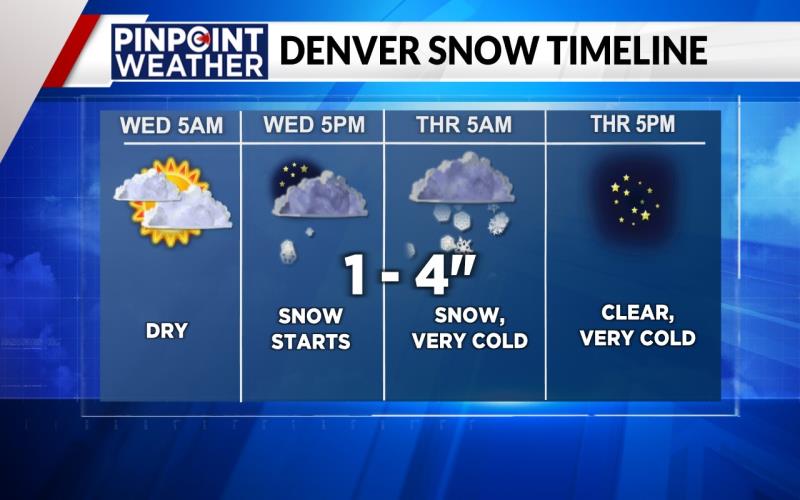
The weather, an ever-shifting tapestry of atmospheric conditions, shapes our daily lives and influences our activities. Whether we’re planning outdoor adventures, deciding on our attire for the day, or preparing for potential storms, staying informed about tomorrow’s weather is a crucial aspect of our routine. In this article, we’ll explore the significance of accurate weather forecasts, the tools available for predicting tomorrow’s conditions, and the impact these predictions have on our daily lives.
The Importance of Weather Forecasts:
From farmers determining optimal planting times to commuters planning their daily routes, the accuracy of weather forecasts plays a pivotal role in decision-making. Understanding the expected weather conditions for tomorrow allows individuals, businesses, and communities to make informed choices that impact safety, productivity, and overall well-being.
Whether it’s a weekend hike, a family picnic, or a day at the beach, knowing tomorrow’s weather forecast helps us plan outdoor activities. From sunscreen to umbrellas, our preparations are influenced by the predicted atmospheric conditions.
Commuters and travelers rely on weather forecasts to plan their journeys. Knowledge of potential rain, snow, or extreme temperatures allows for adjustments in transportation modes and routes, reducing the risk of weather-related disruptions.
Farmers depend on accurate weather predictions to plan planting, harvesting, and irrigation schedules. Forecasts help mitigate the impact of adverse weather events, ensuring the optimal conditions for agricultural activities.
Timely and accurate weather forecasts are vital for emergency preparedness. From hurricanes to snowstorms, advance notice allows communities to implement evacuation plans, mobilize resources, and provide timely warnings to residents.
Tools for Tomorrow’s Weather Forecast:
Meteorologists employ a combination of sophisticated technologies, data analysis, and modeling to generate weather forecasts. These forecasts are then disseminated through various channels to reach the general public. Here are some of the tools commonly used for predicting tomorrow’s weather:
Satellites orbiting the Earth capture invaluable data, providing a comprehensive view of cloud cover, atmospheric patterns, and storm systems. This information is crucial for tracking weather systems and predicting their movement.
Ground-based weather radars help monitor precipitation, track storm development, and provide insights into the intensity and movement of weather systems. This real-time data is instrumental in predicting rainfall, snowfall, and severe weather events.
Distributed globally, weather stations collect data on temperature, humidity, wind speed, and atmospheric pressure. This on-the-ground information is essential for understanding local conditions and fine-tuning weather predictions.
Advanced computer models simulate atmospheric conditions, incorporating vast amounts of data to predict future weather patterns. Meteorologists use these models to generate forecasts for specific regions and timeframes, helping refine predictions for tomorrow’s weather.
Impact on Daily Planning:
The accuracy of tomorrow’s weather forecast directly influences how we plan our day. Here’s how these predictions impact various aspects of our daily lives:
A clear understanding of tomorrow’s weather allows us to make appropriate clothing choices. Will it be a sunny day, necessitating sunglasses and sunscreen, or is rain expected, requiring waterproof attire and umbrellas?
Commuters and travelers rely on weather forecasts to plan their transportation. The expectation of rain or snow may lead to adjustments in driving speed, mode of transportation, or even the decision to work from home.
Planning an outdoor event, be it a wedding or a sports game, is contingent on favorable weather conditions. Event organizers closely monitor forecasts to make contingency plans or reschedule if necessary.
Construction projects and outdoor work activities are often weather-dependent. Forecasts help contractors schedule tasks, allocate resources, and ensure worker safety in changing weather conditions.
Weather forecasts also impact energy consumption. Knowledge of temperature extremes allows homeowners and businesses to adjust heating or cooling systems accordingly, optimizing energy efficiency.
Conclusion:
Tomorrow’s weather forecast is more than a casual point of interest; it’s a valuable tool that shapes our daily lives and influences decision-making on various fronts. From ensuring personal safety during severe weather events to optimizing agricultural practices and enhancing overall planning, accurate weather predictions are integral to a well-functioning society. As technology continues to advance and our understanding of atmospheric conditions improves, tomorrow’s weather forecasts will likely become even more precise, providing us with the information we need to navigate the elements with confidence.
