

In the fast-paced world of modern entertainment, online gaming stands as a towering colossus, captivating millions of players across the globe. From the early days of dial-up connections to the advent of cloud gaming and virtual reality, the landscape of online gaming has undergone a monumental evolution, reshaping not only how we play but also how we interact and connect with others. In this article, we’ll embark on a journey through the dynamic realm of online gaming, exploring its history, its impact on society, the diverse experiences it offers, and the promising future that lies ahead.
Evolution of Online Gaming: From Humble Beginnings to Global Phenomenon
The roots of online gaming slot can be traced back to the early days of computer networks, where simple text-based adventures and multiplayer games laid the foundation for what would become a cultural phenomenon. As technology advanced and internet connectivity became more widespread, developers began to explore new possibilities for online gaming, creating more immersive and interactive experiences.
The introduction of Massively Multiplayer Online Role-Playing Games (MMORPGs) in the late 1990s marked a watershed moment in the evolution of online gaming. Games like Ultima Online and EverQuest introduced players to vast virtual worlds populated by thousands of other players, where they could embark on epic quests, forge alliances, and engage in player-versus-player battles.
The rise of broadband internet and more powerful gaming hardware in the 2000s further propelled the growth of online gaming, enabling developers to create visually stunning and technologically sophisticated experiences. Titles like World of Warcraft and RuneScape became cultural phenomena, attracting millions of players and reshaping the gaming landscape forever.
Impact on Society: Connecting Communities and Redefining Social Interactions
Beyond entertainment, online gaming has had a profound impact on society, transforming the way we socialize, communicate, and interact with one another. In virtual worlds and multiplayer lobbies, players from diverse backgrounds come together to share experiences, forge friendships, and collaborate on shared goals. These digital communities serve as hubs of social interaction and cultural exchange, fostering a sense of belonging and camaraderie among players.
Moreover, online gaming has become a platform for competitive sports, with esports tournaments drawing massive audiences and offering substantial prize pools. Games like League of Legends, Dota 2, and Counter-Strike: Global Offensive have become global phenomena, attracting top-tier talent and generating a thriving ecosystem of players, teams, and sponsors.
However, it’s important to acknowledge the potential downsides of online gaming, including issues such as gaming addiction, cyberbullying, and toxic behavior. For some individuals, the immersive nature of online worlds can lead to excessive gaming habits and neglect of real-world responsibilities. Additionally, the anonymity afforded by online platforms can sometimes foster a culture of toxicity and harassment, creating negative experiences for players.
Diverse Experiences: From Casual Fun to Competitive Thrills
One of the most compelling aspects of online gaming is its sheer diversity, offering something for every type of player, from casual enthusiasts to hardcore competitors. Whether you’re looking for quick thrills or deep, immersive experiences, there’s a game out there to suit your tastes.
For casual gamers, the world of online gaming offers a plethora of options, from simple mobile puzzle games to social simulations like Animal Crossing: New Horizons. These games provide accessible and enjoyable experiences that can be enjoyed in short bursts or over extended play sessions.
For those seeking more intense challenges and competitive thrills, multiplayer shooters like Call of Duty, Fortnite, and Apex Legends offer fast-paced action and strategic depth. These games pit players against each other in heart-pounding battles for supremacy, with teams vying for control of virtual battlegrounds and valuable resources.
The Future of Online Gaming: Innovations and Exciting Possibilities
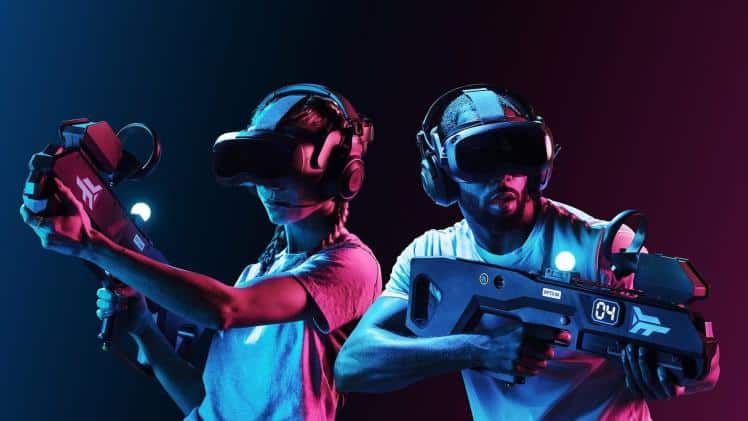
As technology continues to advance, the future of online gaming looks brighter than ever. Emerging technologies such as virtual reality (VR) and augmented reality (AR) promise to revolutionize the way we play games, offering even more immersive and interactive experiences.
Cloud gaming services are also poised to reshape the gaming landscape, making high-end gaming experiences more accessible and affordable than ever before. With the ability to stream games directly to any device with an internet connection, players no longer need expensive gaming hardware to enjoy cutting-edge titles.
Furthermore, advancements in artificial intelligence (AI) hold the potential to transform the way games are designed and experienced. AI-powered NPCs (non-player characters) can create more dynamic and lifelike worlds, adapting to players’ actions and preferences in real-time.
Conclusion: Embracing the Digital Adventure
In conclusion, online gaming has emerged as a dynamic and ever-evolving form of entertainment that continues to captivate audiences around the world. From its humble beginnings as text-based adventures to the sprawling virtual worlds of today, online gaming has undergone a remarkable transformation, driven by advances in technology, creativity, and community.
As we look to the future, the possibilities for online gaming are virtually limitless, promising even more immersive, engaging, and transformative experiences for players of all ages and backgrounds. Whether you’re a seasoned veteran or a newcomer to the world of online gaming, there’s never been a better time to embark on a digital adventure and explore the boundless possibilities of the online gaming universe.
